Buy Ecstasy Pills Online
Ecstasy is a common street name for MDMA (3,4-methylenedioxymethamphetamine), a synthetic stimulant and empathogen. It is chemically similar to both methamphetamine (a stimulant) and mescaline (a psychedelic), and it produces a combination of euphoric, empathic, and stimulant effects. MDMA is often used recreationally in party or rave environments due to its ability to increase energy, empathy, and sensory enhancement.
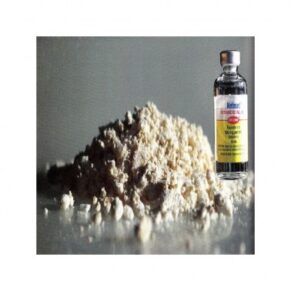
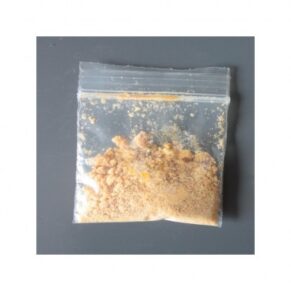
Ecstasy is commonly found in pill form, but MDMA can also be sold as a crystal or powder.
Effects of Ecstasy (MDMA)
When taken, MDMA typically produces a range of psychoactive effects, including:
- Euphoria and heightened emotions: MDMA induces intense feelings of joy, happiness, and emotional warmth.
- Increased sociability and empathy: Users often feel more connected to others, leading to increased empathy, openness, and a sense of bonding with those around them.
- Sensory enhancement: Music, touch, and other sensory experiences are often intensified, which is why MDMA is popular at music festivals, parties, and raves.
- Increased energy: It has stimulant-like effects, increasing physical energy and reducing fatigue.
The effects typically begin 30–60 minutes after ingestion, peak at around 2 hours, and last for 3–6 hours. After the effects wear off, many users experience a comedown, with feelings of fatigue, depression, or irritability.
Risks and Side Effects
MDMA, while often perceived as a relatively safe recreational drug, can carry significant health risks, particularly when taken in high doses or in unsafe environments.
Physical Risks:
- Hyperthermia: MDMA can raise body temperature, which can be dangerous, especially in hot environments (such as crowded clubs or festivals). This can lead to heatstroke, dehydration, or organ failure.
- Dehydration: MDMA increases physical activity and causes users to sweat, which can lead to dehydration, particularly if water intake isn't balanced.
- Serotonin Syndrome: MDMA increases serotonin levels in the brain. If taken in excessive amounts or mixed with other drugs, this can lead to serotonin syndrome, a potentially life-threatening condition characterized by agitation, confusion, high blood pressure, rapid heart rate, and seizures.
- Cardiovascular risks: MDMA can increase heart rate and blood pressure, which can be problematic for individuals with underlying cardiovascular conditions.
- Teeth grinding and jaw clenching: These are common physical side effects, which can be uncomfortable or lead to dental damage with repeated use.
- Long-term neurotoxicity: There is evidence to suggest that repeated use of MDMA can damage serotonin-producing neurons in the brain, leading to potential long-term effects on mood, memory, and cognition.
Psychological Risks:
- Mental health effects: After the effects of the drug wear off, users may experience depression, anxiety, irritability, or sleep disturbances. This is sometimes referred to as the "comedown" or "crash".
- Addiction: While MDMA is not considered physically addictive, some users may develop a psychological dependence on the feelings of euphoria it induces, leading to repeated use.
Unpredictability and Contaminants:
- Purity concerns: Ecstasy pills sold on the street may not contain pure MDMA. Many pills are often cut with other substances like amphetamine, caffeine, or even more dangerous chemicals such as PMMA or bath salts. This can significantly increase the risk of overdose or adverse reactions.
- Testing: Since purity is unpredictable, it is advisable to use reagent testing kits to check the substance’s composition. This can help reduce the risk of ingesting harmful adulterants.
Legal Status of MDMA (Ecstasy)
The legal status of MDMA varies by country, but in many places, it is classified as a controlled substance and is illegal to manufacture, distribute, or possess.
- United States: MDMA is classified as a Schedule I controlled substance under the Controlled Substances Act, meaning it is illegal for any use except in approved medical or research settings.
- European Union: MDMA is also illegal in most European countries, falling under the drug control laws.
- Other countries: Many countries around the world have banned MDMA, and penalties for possession or distribution can be severe.
In some countries, MDMA is used in medical and therapeutic settings under carefully controlled conditions, particularly in clinical trials focused on its potential as a treatment for PTSD and other mental health conditions.
Harm Reduction Tips
If you choose to use MDMA despite the risks, there are harm reduction practices that can help minimize potential harm:
- Test your pills: Use a reagent testing kit to check for the presence of MDMA and to identify any potentially harmful adulterants in street pills.
- Start with a low dose: Due to the variability in potency and the risk of overdose, always start with a small dose (e.g., 50–75 mg) to gauge your tolerance.
- Stay hydrated: Drink water regularly, but don't overhydrate, as this can also be dangerous (leading to a condition called hyponatremia). A good rule of thumb is to sip small amounts of water throughout the experience.
- Take breaks: MDMA increases body temperature and physical activity, so make sure to take breaks, cool down, and avoid overheating.
- Avoid mixing substances: Mixing MDMA with alcohol, other stimulants, or prescription medications can increase risks, especially related to serotonin syndrome, cardiovascular complications, and overdose.
- Use in a safe environment: Make sure you are in a safe, familiar environment, ideally with trusted friends who can help in case of an emergency.
Conclusion
While MDMA (Ecstasy) is known for its euphoric, empathogenic, and stimulant effects, it comes with significant risks to both physical and mental health. The purity and dosage of street MDMA are often unreliable, and the substance can be adulterated with harmful chemicals that increase the likelihood of dangerous side effects.
If you are considering using MDMA, it’s essential to be fully informed about the potential dangers, the legal consequences, and the precautions needed to reduce harm. Harm reduction practices, such as testing the substance, staying hydrated, and using it in a safe environment, can help mitigate some of the risks.
If you or someone you know is struggling with substance use, support services are available that can help with harm reduction, counseling, or treatment.




Comments
Post a Comment